
How Poor Attic Ventilation Damages Residential Roofs
When you own a home in Miami, you quickly learn to appreciate the power of our local climate. While the abundant sunshine and coastal breezes are a big part of why we love SoFlo, they also put your home's exterior to the ultimate test. Most homeowners know that a sturdy roof is essential for keeping the weather out. However, many overlook what is happening just beneath the shingles. A healthy roof doesn't just block the elements; it needs to breathe.
Proper attic ventilation is the unsung hero of residential roofing. Without it, the intense local heat and humidity can quietly destroy your home from the top down. As an established, fully licensed, and insured local contractor, American Roofing & Rain Gutters, Inc. has seen countless premature roof failures that could have been completely avoided. In this guide, we will explore exactly how a lack of airflow affects your home, how to spot the early warning signs, and what you can do to protect your investment.
The Hidden Oven: How Attic Heat Damages Roof Shingles
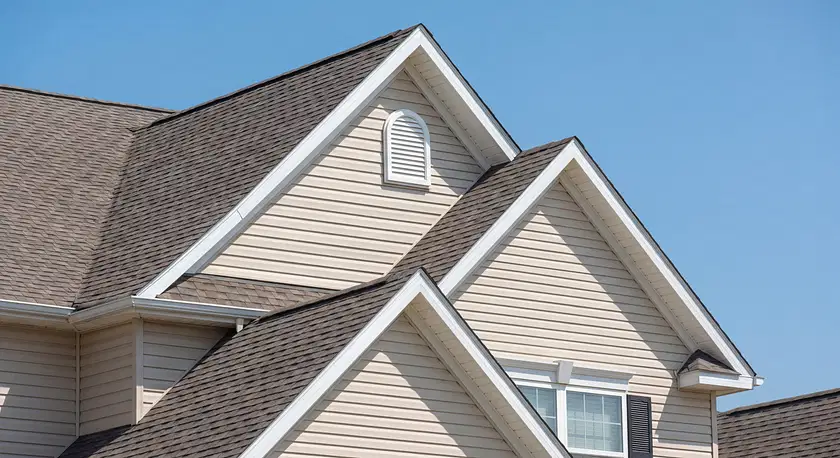
We all know how hot a closed car gets sitting in the summer sun. Your attic behaves exactly the same way when it lacks proper ventilation. Throughout the day, the sun beats down on your home, transferring thermal energy through the roofing materials and into the attic space. If there is no efficient system of intake and exhaust vents to cycle that air out, the temperature inside your attic can soar well above 150 degrees.
This creates a severe baking effect. The trapped heat radiates back upward, essentially cooking your shingles from underneath. You might be wondering how long a typical roof is expected to last based on the material used. A high-quality asphalt shingle roof should last a couple of decades, but chronic overheating will drastically cut that lifespan short. Understanding how attic heat damages roof shingles is crucial: the intense heat causes the asphalt to dry out, making the shingles brittle, prone to cracking, and susceptible to curling at the edges. Once the shingles lose their structural integrity, they can no longer protect your home effectively, leaving you vulnerable to sudden leaks and requiring expensive roofing repairs long before you normally would. Investing in regular roof maintenance is one of the best ways to ensure your ventilation system is functioning correctly before the summer heat causes irreversible damage.
Preventing Moisture Buildup in Roof Decking
While heat is a major concern, the humidity that comes with our annual rainy season introduces an entirely different set of problems for an unventilated attic. Everyday household activities like showering, cooking, and doing laundry generate warm, moist air that naturally rises. When this moisture reaches a stagnant attic, it gets trapped. When the outside temperature drops slightly in the evening, that trapped humidity condenses into water droplets on the underside of your roof.
Preventing moisture buildup in roof decking is critical because damp wood is a breeding ground for mold, mildew, and wood rot. Over time, chronic condensation will slowly deteriorate the wooden decking that supports your entire roofing system. One of the most common questions we hear is how to know whether a roof needs to be repaired or completely replaced. If moisture damage has severely rotted the decking, a simple surface repair will not suffice; the underlying structure must be entirely replaced to ensure the home's safety. Catching moisture issues early through routine professional inspections can save you from a massive structural replacement down the road and help keep your overall roofing costs manageable.
Recognizing the Signs of Poor Roof Ventilation
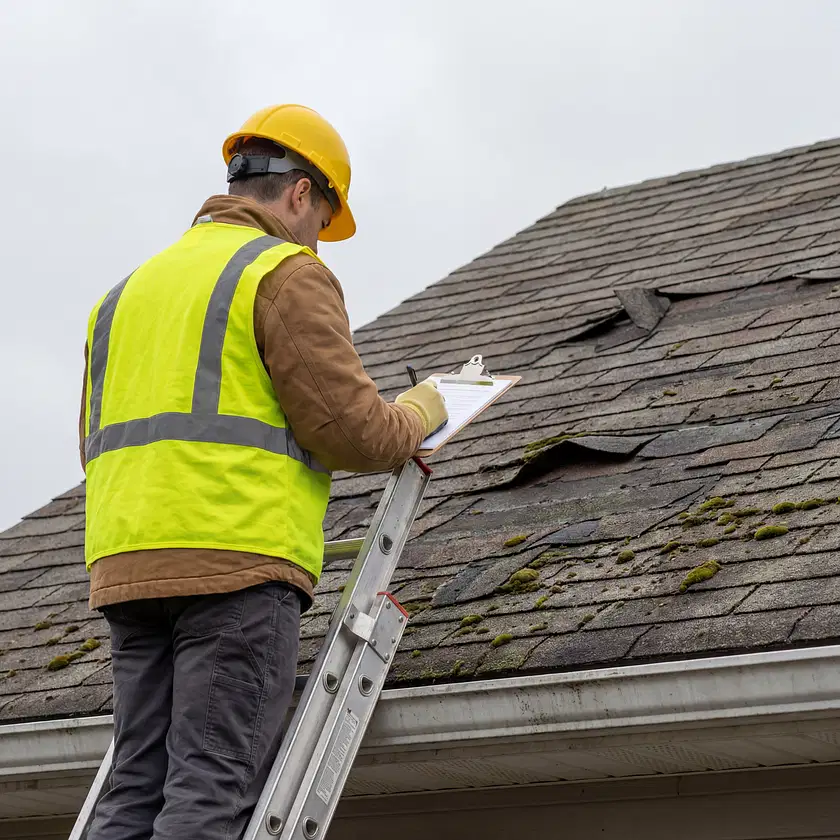
Knowing the signs of poor roof ventilation can help you take action before a minor airflow issue turns into a major structural failure. Aside from the curling and blistering shingles mentioned earlier, you should also pay attention to the climate inside your living space. If you notice that your air conditioning is constantly running but certain rooms—especially those directly below the attic—remain uncomfortably warm, trapped attic heat is likely the culprit. This not only puts unnecessary strain on your HVAC system but also causes noticeable spikes in your monthly cooling bills.
Another critical sign to look out for is rust on your attic nails or metal exhaust pipes, which clearly indicates high levels of trapped moisture. If you notice any of these symptoms, it is time to call in a professional. As we approach hurricane season, ensuring your roof is in peak condition is more important than ever. A roof with brittle shingles and weakened, water-logged decking is far more likely to sustain severe wind and storm damage, complicating potential insurance claims and putting your family at risk.
Protect Your Home with Professional Roofing Services
Your home is your most valuable asset, and a well-ventilated roof is vital for its long-term health and efficiency. Addressing poor ventilation improves your home's energy efficiency, prevents devastating moisture damage, and ensures your roofing materials last as long as the manufacturer intended. When looking for a licensed and insured contractor, you want a team that understands the unique demands of the local climate, provides robust warranties, and prioritizes transparent communication.
At American Roofing & Rain Gutters, Inc., we are committed to providing our community with top-tier roof replacement and maintenance services that stand the test of time. Whether you need a comprehensive ventilation assessment, emergency repairs, or a complete roof installation, our experienced team is here to help. Don't wait until the next big storm exposes the hidden damage in your attic. Reach out to us today through our contact us page to schedule a consultation and make sure your roof is ready to weather whatever comes its way.